
Full mouth dental implants give patients in Bakersfield a stable, long-term way to replace an entire arch of missing or failing teeth. If you’ve lost most of your teeth, or you’re tired of dentures that slip, this option restores the look and function of natural teeth without the daily hassle.
This guide walks you through what full mouth dental implants are, who they help, how the process works, and what they typically cost. You’ll also learn how to choose the right provider and how to tell if you’re ready for treatment.
Bakersfield Smile Design, led by Dr. Kenneth Krauss, offers this care with more than 20 years of experience and nearly 2,000 full-mouth smile restorations behind it. The goal here is simple: give you clear, honest answers so you can decide your next step with confidence.
What Are Full Mouth Dental Implants?
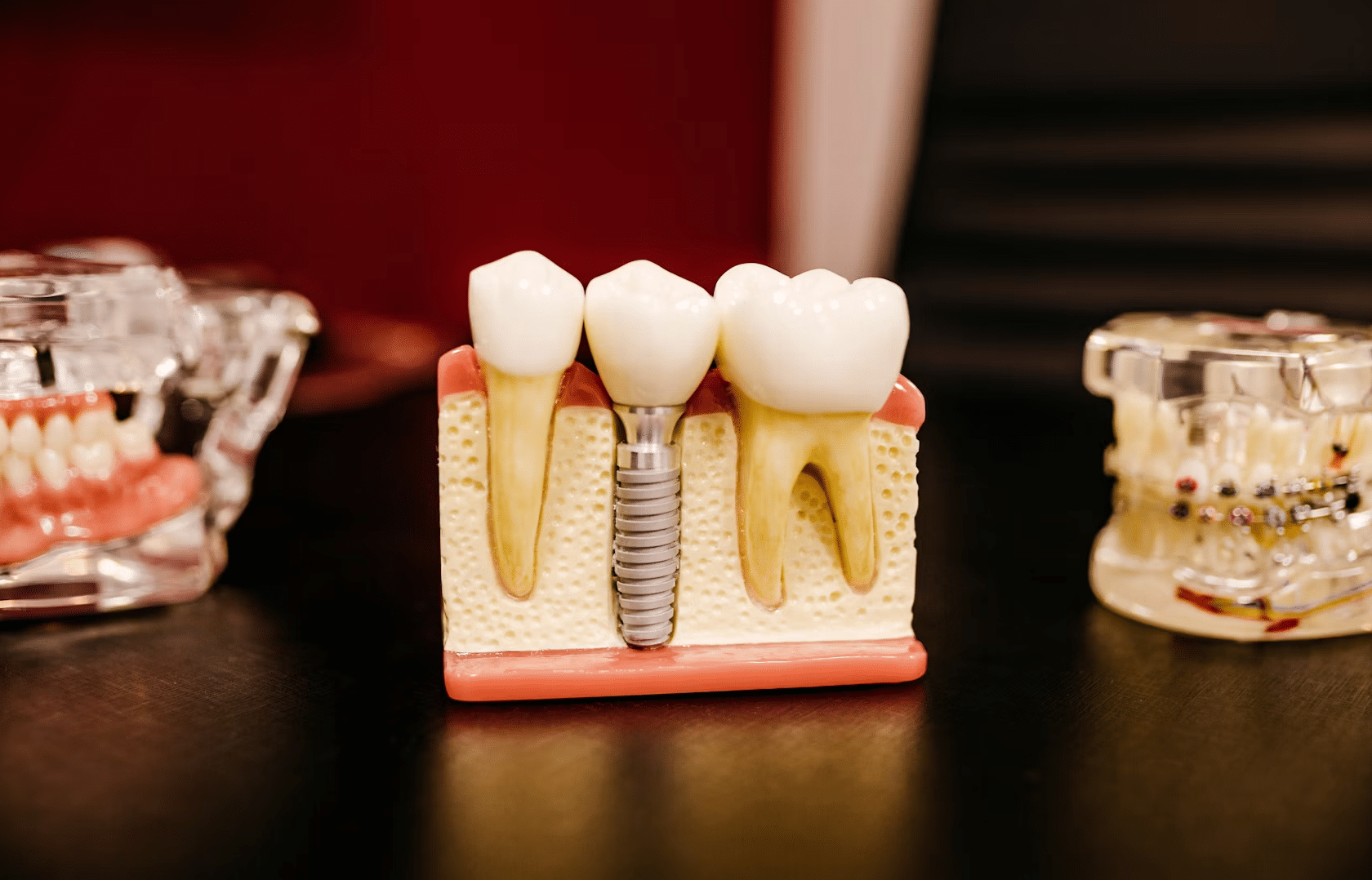
Full mouth dental implants are a set of titanium posts placed in your jaw that support a complete arch of replacement teeth. The implants act like artificial tooth roots, anchoring a fixed bridge or denture so it stays put.
You don’t need one implant per tooth. Most full-arch cases use four to six implants per arch to hold a full set of teeth, which keeps treatment efficient and cost-effective.
Once healed, the implants fuse with your jawbone through a process called osseointegration (bone growing around the implant to lock it in place). The result feels and works much like natural teeth, so you can eat, speak, and smile without worrying about slipping.
Unlike removable dentures, this solution stays in your mouth full-time. You care for it the way you care for natural teeth, with regular brushing, flossing, and checkups.
Who Is a Good Candidate for Full Mouth Dental Implants?
You’re typically a good candidate for full mouth dental implants if you’ve lost most or all of your teeth, have generally healthy gums, and want a permanent alternative to dentures. A consultation and imaging will confirm whether the option fits your situation.
You may be a strong candidate if you have:
- Multiple missing, broken, or failing teeth in one or both arches
- Enough jawbone to support implants, or a willingness to have bone grafting first
- Healthy gums or gum conditions that can be treated before placement
- Frustration with loose dentures or difficulty chewing
- A commitment to daily oral care and regular dental visits
Full mouth dental implants aren’t ideal for everyone, and that’s worth knowing upfront. Heavy smokers, people with uncontrolled diabetes, or those with significant bone loss may need extra steps before treatment, or a different plan entirely.
Dr. Krauss reviews your medical history, gum health, and bone structure before recommending anything. If you need gum treatment or grafting first, he’ll explain why and what it involves.
How Does the Full Mouth Dental Implant Process Work?
The full mouth dental implant process usually takes several months from start to finish, with most cases spanning three to six months, depending on healing and whether grafting is needed. Treatment happens in clear stages, not all at once.
Step 1: Consultation and Planning
Your first visit is a free consultation and exam. Dr. Krauss reviews your goals, takes digital images of your jaw, and maps out a treatment plan built around your mouth.
This is when you get straight answers about timeline, steps, and cost. You’ll leave knowing what to expect before any work begins.
Step 2: Implant Placement
During placement, the titanium posts are positioned in your jawbone under local anesthesia. Many patients describe the recovery as easier than expected, often comparing it to a tooth extraction.
Laser dentistry can help treat gum tissue gently when needed, which supports cleaner healing and added comfort. Mild soreness for a few days is normal and usually managed with over-the-counter pain relief.
Step 3: Healing and Final Teeth
Over the next few months, the implants fuse with your bone. In many cases, you wear a temporary set of teeth during this period so you’re never without a smile.
Once healing is complete, Dr. Krauss attaches your custom, permanent arch. He checks the fit and bite so your new teeth feel natural when you chew and speak.
How Much Do Full-Mouth Dental Implants Cost in Bakersfield?
The cost of full mouth dental implants in Bakersfield depends on how many arches you treat, whether you need bone grafting or extractions, and the materials used. Because every mouth is different, an accurate quote comes only after an exam.
Full-arch implant treatment is a larger investment than dentures, but it lasts far longer and rarely needs replacement. Many patients find the long-term value outweighs the upfront cost, since well-maintained implants can last decades.
Cost shouldn’t be the reason you put off a healthier mouth. Bakersfield Smile Design offers financing and payment options to spread treatment into manageable monthly payments.
Your free consultation includes a clear, itemized estimate with no hidden fees. You’ll know exactly what you’re investing in before you decide.
How Do Full Mouth Implants Compare to Dentures?
Full mouth dental implants stay fixed in your mouth, while traditional dentures rest on your gums and can shift or slip. That single difference shapes how each option feels day to day.
Implants let you eat foods many denture wearers avoid, like apples, steak, and corn on the cob. They don’t require adhesive, and they don’t need to be removed at night.
Dentures cost less upfront and suit some patients well, especially those who aren’t candidates for surgery. They do, however, need periodic relining and replacement, and they can affect how confidently you eat and speak.
Implants also help preserve your jawbone. When teeth are missing, the bone underneath can shrink over time, and implants stimulate the bone much like natural roots do.
Why Choose Bakersfield Smile Design for Full Mouth Dental Implants?
Bakersfield Smile Design combines decades of restorative experience with a calm, family-centered approach. Dr. Kenneth Krauss has more than 20 years of experience and has completed nearly 2,000 full-mouth smile restorations.
That depth of experience matters for full-arch cases, which require careful planning across bite, function, and appearance. You’re working with a dentist who has guided many patients through this exact process.
The practice uses advanced techniques to support precise, comfortable care. Laser dentistry helps treat gum tissue gently, while Invisalign and Simpli5 clear aligners are available when alignment plays a role in your wider smile goals.
You’re treated like a neighbor, not a case number. If dental visits make you anxious, the team takes time to explain each step and move at a pace that feels right for you.
How to Tell If You’re Ready for Full Mouth Implants
You may be ready for full mouth dental implants if missing or failing teeth are affecting how you eat, speak, or feel about your smile. The clearest way to know is a professional exam, but a few signs point toward it.
Ask yourself these questions before booking:
- Are several of your teeth missing, loose, or beyond repair?
- Do your current dentures slip, click, or make eating difficult?
- Are you avoiding certain foods because chewing is hard?
- Do you want a long-term solution rather than a temporary fix?
- Are you ready to commit to daily care and regular checkups?
If you answered yes to a few of these, a consultation is a smart next step. There’s no pressure to commit, and you’ll get honest input on whether implants, dentures, or another path fits you best.
Helpful Answers Before You Decide
How long do full mouth dental implants last?
Full mouth dental implants can last 20 years or more with good care, and many last a lifetime. The implant posts are designed to be permanent, while the attached teeth may need occasional maintenance. Daily brushing, flossing, and regular dental visits protect your investment.
Is the implant procedure painful?
Most patients report less discomfort than they expected, since placement is done under local anesthesia. Mild soreness for a few days afterward is normal and usually eases with over-the-counter pain relief. Dr. Krauss focuses on keeping each step as comfortable as possible.
Can I get implants if I’ve worn dentures for years?
Yes, many long-time denture wearers qualify for full mouth dental implants. Years of denture use can lead to bone loss, so you may need bone grafting first. An exam and imaging confirm whether you’re ready or need a preparatory step.
Will my new teeth look natural?
Your replacement teeth are custom-made to match your facial features, gum line, and preferred shade. The goal is a smile that looks like it belongs to you, not an obvious set of false teeth. Dr. Krauss fine-tunes the fit and appearance before finalizing your arch.
Conclusion
Full mouth dental implants offer a stable, long-lasting way to restore your smile when you’re facing widespread tooth loss or struggling with dentures. They look natural, function like real teeth, and help protect your jawbone for years to come.
The smartest first move is a conversation with an experienced dentist who can assess your mouth and lay out honest options. Dr. Kenneth Krauss and the team at Bakersfield Smile Design bring more than 20 years of experience and a warm, family-practice approach to every patient.
Ready to learn whether full mouth dental implants are right for you? Schedule your free consultation at Bakersfield Smile Design, 1919 G St., Bakersfield, CA 93301, or call (661) 323-8585. Explore your options today at https://bakersfieldsmiledesign.com/procedures/dental-implants/.