
Teeth whitening kits from the drugstore promise a brighter smile for under $50, but they don’t work the same way professional treatment does. If you’ve stood in the dental aisle wondering whether strips and trays can match what a dentist offers, you’re asking the right question.
The short answer: professional whitening works faster, lasts longer, and gives more even results, while store-bought kits cost less and suit minor staining. Both have a place, and the better choice depends on your goals, your budget, and the kind of staining you’re dealing with.
This guide breaks down how each option works, what each one costs, how long results last, and which one fits your situation. You’ll also learn how to tell when a store-bought kit is enough and when professional care makes more sense.
At Bakersfield Smile Design, Dr. Kenneth Krauss brings more than 20 years of experience and nearly 2,000 full-mouth smile restorations to this comparison. The goal here is honest, specific answers, not a sales pitch.
How Do Teeth Whitening Kits Actually Work?
Teeth whitening kits work by applying a peroxide-based gel to your teeth, which breaks down the molecules that cause staining on your enamel. Enamel is the hard outer layer of your tooth, and that’s where most surface discoloration sits.
Store-bought teeth whitening kits use lower concentrations of the active ingredient, usually around 3 to 10 percent hydrogen peroxide or carbamide peroxide. That keeps them safe for unsupervised use, but it also means slower, more gradual results.
Professional whitening uses stronger gel, often 25 to 40 percent peroxide, applied under a dentist’s supervision. Your gums get protected first, so the higher strength lifts stains faster without irritating soft tissue.
The mechanism is the same. The difference is strength, control, and how evenly the gel reaches every tooth.
Do Store-Bought Teeth Whitening Kits Really Work?
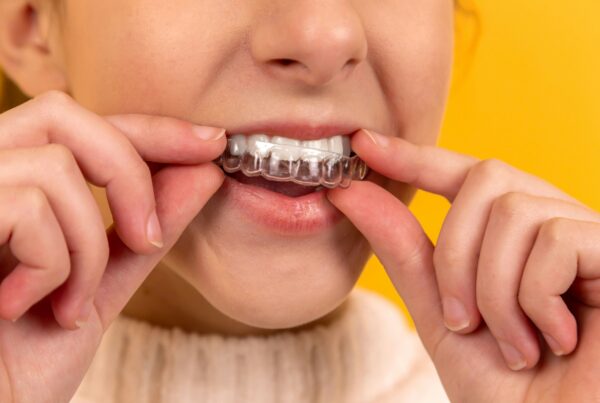
Store-bought teeth whitening kits do work for mild surface stains, but results are modest and often uneven. Whitening strips, trays, and pens can lighten teeth by a shade or two over a couple of weeks if you use them consistently.
The trade-off is fit. One-size strips and boil-and-bite trays don’t match your teeth perfectly, so the gel can miss the edges and spaces between teeth. That’s why some people end up with patchy results or bright fronts and dull corners.
These kits handle everyday staining from coffee, tea, and red wine reasonably well. They struggle with deeper discoloration, age-related yellowing, and stains that sit below the enamel surface.
If your teeth are only slightly dull and your budget is tight, a quality drugstore kit is a fair starting point. Just keep your expectations realistic about how dramatic the change will be.
How Is Professional Whitening Different?
Professional whitening is different because a dentist customizes the treatment to your teeth and uses stronger gel under controlled conditions. That combination delivers faster, more even, and longer-lasting results.
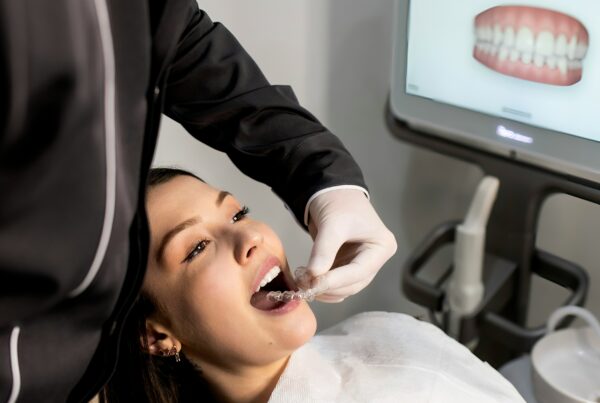
In-office whitening usually takes one visit of about 60 to 90 minutes and can lighten teeth several shades in a single session. The dentist protects your gums, applies the gel, and monitors the process so the strength works for you rather than against you.
Take-home trays from a dentist are another step up from store kits. They’re molded to your exact teeth, so the gel covers every surface evenly, and you brighten over 10 to 14 days at home.
Why does the custom fit matter so much?
A custom fit matters because it controls where the gel goes and keeps it off your gums. Even coverage means even results, with no missed edges or overexposed spots.
Before any whitening, Dr. Krauss checks for decay, sensitivity, or gum issues that could affect your results. That step catches problems a box on a shelf never can.
How Much Do Teeth Whitening Kits Cost Compared to Professional Treatment?
Store-bought teeth whitening kits typically cost $20 to $60, while professional whitening ranges higher because it includes a dentist’s expertise and stronger, customized care. The price gap reflects a real difference in speed and results.
Drugstore kits are the cheapest option upfront. The catch is that you may buy several rounds to see meaningful change, and the results fade faster, so the long-term value isn’t always as low as the sticker price suggests.
Professional take-home trays cost more than store kits but less than in-office treatment. In-office whitening sits at the top because it delivers the fastest, most noticeable results in a single appointment.
Cost shouldn’t be the only thing you weigh. Bakersfield Smile Design offers financing and payment options, and a free consultation gives you a clear, itemized estimate with no hidden fees. You can compare your full range of options on our https://bakersfieldsmiledesign.com/ page.
How Long Do the Results Last?
Professional whitening results last longer than store-bought kits, usually 6 months to 2 years, compared to a few months for most over-the-counter products. Stronger gel and even coverage are the reasons the brightness holds.
Store-bought kit results fade faster because the lower-strength gel doesn’t penetrate as deeply. Daily habits like coffee, tea, and tobacco speed up the fading either way.
Touch-ups keep any whitening looking fresh. With professional take-home trays, you can re-whiten occasionally using the same custom trays, which makes upkeep simple and affordable.
If you want a brighter smile that holds for a year or more, professional treatment is the more reliable path. If you only need a quick refresh before an event, a store kit may do the job.
Are Teeth Whitening Kits Safe to Use at Home?
Most teeth whitening kits are safe for healthy teeth when you follow the directions, but they carry a higher risk of misuse than professional care. Overusing strips or leaving gel on too long can cause sensitivity and gum irritation.
Temporary sensitivity is the most common side effect of any whitening, and it usually fades within a day or two. The risk rises when you whiten without knowing whether your teeth and gums are healthy enough first.
Whitening also doesn’t change the color of crowns, veneers, or fillings. If you have dental work in your smile line, those can stand out after whitening, and a store kit can’t account for that.
A quick exam rules out decay, gum disease, and other issues before you brighten. That’s one reason supervised whitening carries a lower risk than going it alone.
What to Consider Before You Choose
Start with the kind of staining you have and how fast you want results, because those two factors point you toward the right option faster than price alone. Naming your goal makes the decision simple.
Ask yourself these questions before you buy or book:
- Is my staining mild and recent, or deep and long-standing?
- Do I want gradual brightening or noticeable results fast?
- Do I have crowns, veneers, or fillings in my smile line?
- Have I had tooth sensitivity or gum problems before?
- Am I comfortable whitening on my own, or would I rather have a dentist check first?
If your staining is mild, your teeth are healthy, and you’re not in a rush, a store-bought kit is a reasonable first try. If you want faster, even, longer-lasting results, or you have dental work to consider, professional whitening is the safer bet.
When alignment is also on your mind, options like Invisalign and Simpli5 clear aligners can straighten teeth before you brighten them. A consultation helps you sequence everything so the steps work together.
Helpful Answers Before You Decide
Can I use a store-bought kit and professional whitening together?
Yes, many people use a store kit for upkeep between professional treatments. Professional whitening gives you the bigger initial change, and a gentle store product or custom trays maintain it. Ask your dentist before combining products so you don’t overdo the gel and trigger sensitivity.
Why are my teeth still not white after using a kit?
Store-bought teeth whitening kits often fall short on deep stains, uneven coverage, or discoloration that sits below the enamel. Gray tones, age-related yellowing, and stains from certain medications respond poorly to over-the-counter gel. An exam can tell you whether professional whitening or another treatment, like veneers, fits better.
Do whitening kits damage enamel?
Whitening kits don’t damage healthy enamel when used as directed, since the gel targets stain molecules rather than the tooth structure. Overuse is the real risk, because too much gel too often can cause sensitivity and gum irritation. Following the instructions and spacing out treatments keeps things safe.
How white can my teeth realistically get?
Most people lighten a few shades with whitening, and professional treatment tends to reach the brighter end faster. Your starting shade, the type of staining, and your enamel all affect the final result. A dentist can give you a realistic shade goal before you start.
Conclusion
Teeth whitening kits from the store offer a low-cost way to brighten mild staining, but professional whitening wins on speed, even results, and how long the brightness lasts. The right choice depends on your staining, your timeline, and whether you have dental work that affects the outcome.
If you want a quick, budget-friendly refresh and your teeth are healthy, a store kit is a fair place to start. If you want noticeable, longer-lasting results with a dentist guiding the process, professional care is worth the investment.
The smartest first step is a conversation with an experienced dentist who can check your teeth and recommend the right path. Dr. Kenneth Krauss and the team at Bakersfield Smile Design bring more than 20 years of experience and a warm, family-practice approach to every visit.
Ready to find the whitening option that fits you? Schedule your free consultation at Bakersfield Smile Design, 1919 G St., Bakersfield, CA 93301, or call (661) 323-8585. Explore your options today at https://bakersfieldsmiledesign.com/procedures/.