Leaving a missing tooth untreated sets off a slow chain reaction in your jaw that most people never see coming. The tooth is gone, the gap looks harmless and life moves on. Underneath the surface, the bone that once supported that tooth starts to shrink.
Your jawbone stays strong because chewing sends pressure through your teeth and into the bone below. Remove a tooth and that section of bone stops getting the signal it needs to stay dense. The body reads the area as unused and begins pulling minerals away.
This process is quiet, painless and easy to ignore. That is exactly what makes it risky. The longer the gap sits, the harder and more expensive future treatment becomes.
Knowing what actually happens below the gum line helps you make a better decision about that empty space. The changes are predictable, and most of them are preventable when you act early.
What Happens to Your Jawbone When a Missing Tooth Is Untreated?
When a missing tooth is untreated, the jawbone in that area begins to resorb, meaning it loses volume and density over time. Your body removes bone it no longer considers active, and a tooth root is what keeps that bone busy.
Each time you chew, your tooth roots press into the jaw. That pressure tells your body to keep sending minerals and blood supply to the bone. No root means no pressure, so the maintenance stops.
The medical term for this is bone resorption. It is the same reason a cast leaves a muscle smaller after weeks of no use. Bone responds to demand, and an empty socket creates none.
How Fast Does Jawbone Loss Happen After Tooth Loss?
Jawbone loss starts within the first few months after a tooth is lost and moves fastest in the first year. Studies on tooth extraction show the bone can lose about 25 percent of its width in the first 12 months. Height loss follows close behind.
The loss does not stop after that first year. It continues at a slower pace for the rest of your life if the gap stays open. Early bone is the easiest to preserve, which is why timing matters so much.
Does bone loss slow down over time?
Bone loss slows after the first year but never fully stops on its own. The steepest drop happens early, then the decline becomes gradual. A gap left open for a decade shows far more shrinkage than one addressed within months.
This is the core reason dentists push for early treatment. Preserving existing bone is simpler and cheaper than rebuilding it later.
How Does a Missing Tooth Affect the Teeth Around It?
A missing tooth destabilizes the teeth next to it, causing them to drift, tilt or shift into the open space. Teeth rely on their neighbors for support and alignment. Take one out and the balance breaks.
The teeth beside the gap slowly lean toward it. The tooth above or below the space can grow longer, a process called supra-eruption, because nothing is meeting it during a bite.
What problems does tooth shifting cause?
Tooth shifting creates bite problems, cleaning difficulties and higher decay risk. Tilted teeth trap food and plaque in spots your brush cannot reach easily. That raises your chance of cavities and gum disease.
An uneven bite also strains your jaw joint. Some people develop soreness, clicking or headaches once their bite falls out of line. One gap can trigger a series of issues across the whole mouth.
Can Leaving a Missing Tooth Untreated Change Your Face?
Leaving a missing tooth untreated can change the shape of your face over time, especially when several teeth are missing. As the jawbone shrinks, it loses the height and width that support your cheeks and lips.
The lower third of the face can start to collapse inward. This is why people who lose many teeth often look older than their age. The skin has less bone to rest on, so it sags and folds.
A single missing tooth produces subtle changes. Multiple untreated gaps produce visible ones. The sunken look many associate with dentures actually comes from years of unchecked bone loss, not the dentures themselves.
What Are Your Treatment Options for a Missing Tooth?
The main treatment options for a missing tooth are dental implants, bridges and removable partial dentures, and only one of them stops bone loss at the source. Each fits a different budget, timeline and health situation.
Here is how the common options compare:
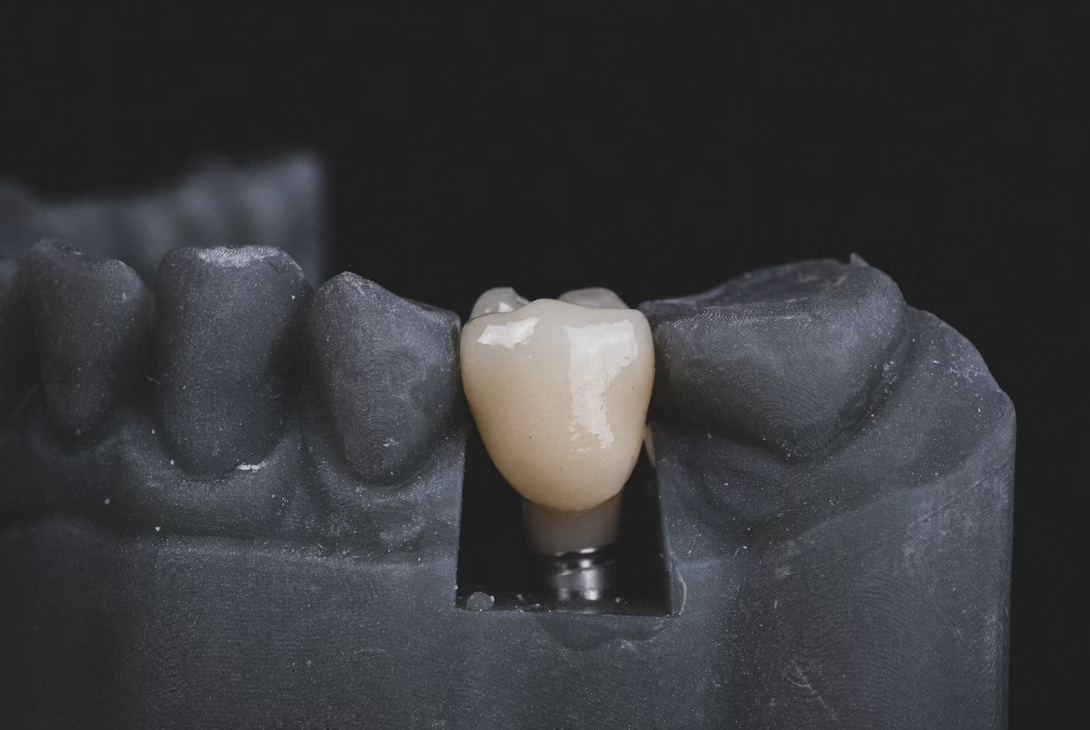
- Dental implants replace the tooth root with a titanium post, which keeps the jawbone stimulated and prevents further resorption in that spot.
- Fixed bridges fill the gap using the neighboring teeth for support, restoring function and looks but not stimulating the bone underneath.
- Removable partial dentures offer a lower-cost fix that replaces the visible tooth, though they sit on top of the gum and do not maintain bone.
Implants are the only option that acts like a natural root. That is why they hold a special place in preventing the long-term changes described above.
What if you already lost bone?
If you have already lost significant bone, a procedure called bone grafting can rebuild the area enough to support an implant. A graft adds material to the thin ridge and gives your body a scaffold to grow new bone.
Grafting adds time and cost to treatment. That is the practical tradeoff of waiting. Acting early often lets you skip the graft entirely and go straight to an implant.
Why Does Acting Early Matter So Much?
Acting early matters because you can only preserve bone you still have, and rebuilding lost bone is harder than keeping it. The first year after tooth loss is your best window.
Early treatment usually means a simpler plan, fewer procedures and lower total cost. A gap addressed within months may need only an implant. The same gap ignored for years may need grafting first, then healing time, then the implant.
Waiting rarely makes the situation better. The bone keeps shrinking, the neighboring teeth keep drifting and the fix keeps growing more complex. Early action protects your options.
How Do You Decide What to Do Next?
Choosing your next step depends on how long the tooth has been gone, your budget and your overall oral health. Use these points to weigh your decision:
- Consider how recently you lost the tooth, since a fresh gap gives you the widest range of treatment choices.
- Think about long-term value, because an implant costs more upfront but often lasts decades and protects the bone.
- Factor in your bone health today, as an exam and scan will show whether you need grafting before an implant.
- Review the neighboring teeth, since drifting may already be affecting your bite and cleaning.
- Ask your dentist for a clear comparison of implants, bridges and dentures matched to your specific mouth.
A consultation with a dental scan gives you real answers about your bone level. That single visit turns guesswork into a concrete plan.
Helpful Answers Before You Decide
How long can you leave a missing tooth untreated?
There is no safe amount of time to leave a missing tooth untreated because bone loss begins within months. You can physically live with a gap for years, but the jawbone and neighboring teeth keep changing the whole time. The sooner you act, the more options you keep.
Does a missing back tooth matter if no one sees it?
A missing back tooth matters even when it is hidden because it still triggers bone loss and bite problems. Back teeth handle most of your chewing force, so losing one shifts pressure onto the rest of your teeth. Hidden gaps cause the same internal changes as visible ones.
Can jawbone grow back on its own after tooth loss?
No, jawbone does not grow back on its own once it resorbs after tooth loss. The only way to restore lost bone is a grafting procedure performed by a dental professional. This is why preserving bone early beats rebuilding it later.
Is a dental implant worth it compared to a bridge?
A dental implant is often worth it because it is the only option that stops jawbone loss at the site. A bridge restores function and looks but leaves the bone underneath unstimulated. Implants cost more at first yet frequently last longer and protect your facial structure.
The Bottom Line on Treating a Missing Tooth
Leaving a missing tooth untreated leads to jawbone loss, shifting teeth and changes to your face that grow harder to reverse the longer you wait. The process is quiet, but it is steady and predictable.
The good news is that early action protects almost all of it. Replacing the tooth, ideally with an option that stimulates the bone, keeps your jaw strong and your bite stable.
If you have a gap in your smile, book a consultation with your dentist to check your bone health and review your options. A short exam today can save you from far more complex treatment down the road.