Choosing between Invisalign vs. braces for adults comes down to how each option fits your daily life, not just which one straightens teeth faster. Both work. The right pick depends on your schedule, your budget and how visible you want your treatment to be.
Plenty of adults put off fixing their smile because they picture a mouth full of metal in every work meeting. That picture is outdated. Today you have real choices, and each one carries its own tradeoffs worth understanding before you commit.
This guide walks through the honest differences: cost, treatment time, comfort, upkeep and who each option suits best. No hype, just the details that actually shape your decision.
What Is the Real Difference Between Invisalign vs. Braces for Adults?
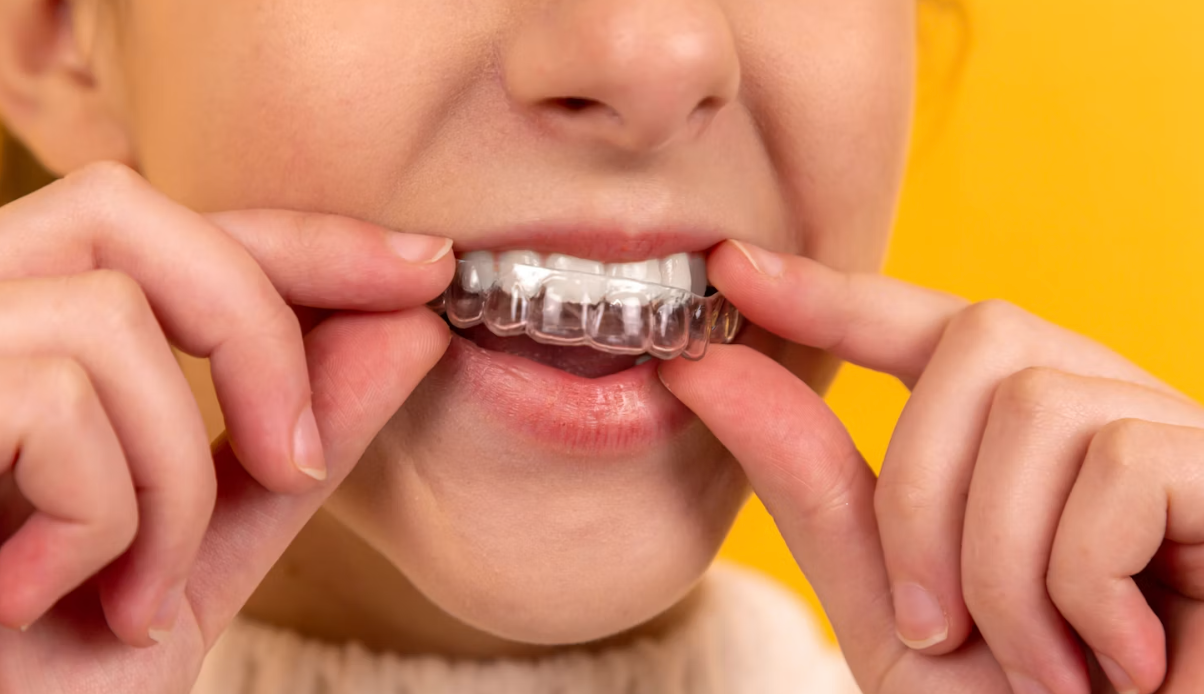
The real difference between Invisalign vs. braces for adults is that Invisalign uses clear removable trays while braces use fixed metal or ceramic brackets bonded to your teeth. Both apply steady pressure to move teeth into position. How they do it changes your daily experience.
Invisalign relies on a series of custom aligners you swap every one to two weeks. You take them out to eat, drink and brush. Braces stay on the entire time and get adjusted at the office.
That single difference, removable versus fixed, drives almost every other comparison. It affects what you eat, how you clean your teeth and how the treatment shows.
Which Costs More: Invisalign or Braces?
Braces are usually the more affordable option, though the gap has narrowed in recent years. Traditional metal braces often run lower than Invisalign, while ceramic braces and Invisalign tend to land in a similar range.
Your final price depends on how complex your case is and how long treatment takes. A minor correction costs far less than a full realignment. Many practices offer payment plans that spread the cost over your treatment period.
Check your dental insurance before you decide. Some plans cover a portion of orthodontic treatment for adults, and the benefit often applies to both options equally.
Does insurance treat Invisalign and braces differently?
Most insurance plans cover Invisalign and braces at the same rate when orthodontic benefits apply. Insurers usually base coverage on the treatment goal, not the method. Call your provider and ask about your orthodontic maximum and any age limits.
A flexible spending account or health savings account can also stretch your budget. Both let you use pretax dollars toward treatment.
How Do Invisalign and Braces Fit Into Your Daily Life?
Invisalign fits more easily into a busy or social adult life because the trays are clear and removable. You can take them out for a work presentation, a dinner or a photo. Braces stay put, so they are always part of your look.
The tradeoff is discipline. Invisalign only works if you wear the trays 20 to 22 hours a day. If you forget to put them back in after meals, your treatment slows down.
Braces remove that responsibility entirely. They are working every hour without any effort from you, which suits people who would rather not track wear time.
What can you eat with each option?
With Invisalign you can eat anything because you remove the trays before meals. Braces come with a list of foods to avoid, including popcorn, hard candy, whole apples and sticky snacks that can bend wires or pop brackets.
For adults who love crunchy or chewy foods, this often tips the scale toward Invisalign. You keep your normal diet with no restrictions.
How Long Does Treatment Take With Invisalign vs. Braces for Adults?
Treatment time for Invisalign vs. braces for adults is often similar, ranging from about 12 to 24 months for most cases. Simple corrections can finish faster. Complex bite issues can take longer with either option.
Braces sometimes have an edge on complicated cases involving severe rotation or major bite problems. The fixed brackets give an orthodontist more control over stubborn movements.
Invisalign works well for mild to moderate crowding, spacing and alignment issues. Your dentist can tell you which option matches your specific case after an exam and scan.
Which Option Is Easier to Clean and Maintain?
Invisalign is easier to clean because you remove the trays to brush and floss normally. You care for your teeth the same way you always have, then rinse the trays and pop them back in.
Braces require more effort. Food gets caught around brackets and wires, so you need special brushes, floss threaders and extra time at the sink. Skipping steps raises your risk of stains and decay around the brackets.
That said, Invisalign asks for consistency. You have to clean the trays daily and avoid drinking anything but water while wearing them, or you trap sugar and acid against your teeth.
Who Is Each Option Best Suited For?
Invisalign suits adults who value discretion, want no food restrictions and can commit to wearing trays most of the day. It works best for mild to moderate alignment concerns and people with disciplined routines.
Braces suit adults with complex cases, those who prefer a fix-it-and-forget-it approach and anyone who worries they would lose or forget removable trays. They also tend to cost less upfront.
Your bite, your habits and your budget matter more than any general rule. The best way to know is a consultation where a dentist reviews your teeth and lays out realistic timelines and pricing for both.
How Do You Decide Between Invisalign and Braces?
Choosing between Invisalign vs. braces for adults comes down to a few honest questions about your priorities. Use these points to weigh your next step:
- Consider how visible you want treatment to be, since Invisalign stays nearly invisible while braces show.
- Think about your discipline, because Invisalign only works if you wear the trays 20 to 22 hours daily.
- Factor in your diet, as braces limit crunchy and sticky foods while Invisalign has no restrictions.
- Review your budget across the full treatment, not just the monthly figure, to compare both fairly.
- Ask about the complexity of your case, since severe bite issues sometimes respond better to braces.
- Book a consultation for a scan, which turns guesswork into a clear plan with real numbers.
A short exam answers most of these questions at once. Your dentist can flag which option gives you the smoother path to the result you want.
Helpful Answers Before You Decide
Is Invisalign as effective as braces for adults?
Invisalign is as effective as braces for most mild to moderate cases in adults. Braces still hold an advantage for severe crowding, rotation or complex bite problems. Your dentist can confirm which one matches your specific needs after an exam.
Do braces or Invisalign hurt more?
Both cause mild soreness when treatment starts and after each adjustment or tray change. Braces can also irritate the inside of your cheeks and lips with their brackets and wires. Invisalign trays are smooth, so they tend to cause less friction against soft tissue.
Can adults get Invisalign at any age?
Yes, adults can get Invisalign at any age as long as their teeth and gums are healthy. There is no upper age limit for orthodontic treatment. Healthy bone and gums matter far more than the number on your birthday.
How long do you wear a retainer after treatment?
You wear a retainer indefinitely after both Invisalign and braces to keep your teeth from shifting back. Most people wear it full time for a few months, then switch to nights only. Skipping the retainer is the most common reason smiles relapse.
The Bottom Line on Invisalign vs. Braces for Adults
Choosing between Invisalign vs. braces for adults comes down to your lifestyle, your budget and how you want treatment to look and feel. Braces offer a lower cost and hands-off simplicity. Invisalign offers discretion and freedom to eat what you want, as long as you stay consistent.
Neither option is better for everyone. The right one is the one that fits your habits and your goals.
If you are ready to straighten your smile, book a consultation with your dentist. A quick scan and exam will show you which option fits your life and give you real timelines and pricing to compare.