Missing tooth replacement protects more than your appearance, since acting early helps prevent bone loss, shifting teeth, and bigger dental problems down the road. The gap left behind by even one tooth sets off changes you can’t always see, and those changes get harder to reverse the longer you wait.
If you’ve lost a tooth and you’re wondering whether you really need to replace it, you’re asking a smart question. The honest answer is that timing matters more than most people expect.
This guide walks you through why early replacement matters, what happens when a gap goes untreated, and which options fit different situations. You’ll also learn who qualifies, what to weigh on cost, and how Dr. Kenneth Krauss approaches these cases.
At Bakersfield Smile Design, Dr. Krauss brings more than 20 years of experience and nearly 2,000 full-mouth smile restorations to questions like this one. The goal here is simple: give you clear, useful answers so you can decide your next step with confidence.
Why Does Timing Matter for Missing Tooth Replacement?
Timing matters for missing tooth replacement because your mouth starts changing the moment a tooth is gone. The bone, gums, and neighboring teeth all respond to the space, and those shifts begin within months.
Your jawbone stays strong through the pressure of chewing. When a tooth disappears, that stimulation stops, and the bone underneath slowly shrinks through a process called resorption (the body reabsorbs bone it no longer uses).
Early replacement preserves that bone and keeps your bite stable. Waiting often means extra steps later, like bone grafting, which adds time and cost to treatment.
The short version: a tooth replaced soon after loss usually means a simpler, more affordable fix than one delayed for years.
What Happens If You Leave a Missing Tooth Untreated?
Leaving a missing tooth untreated leads to bone loss, shifting teeth, and added strain on the teeth you still have. One gap rarely stays just one gap.
Your jawbone shrinks
The bone where your tooth used to sit begins shrinking within the first year. Over time, this can change your facial shape and make future treatment more complex.
Nearby teeth drift
Teeth next to the gap start tilting into the space, and the tooth above or below it can drift too. This throws off your bite and makes cleaning harder, which raises your risk of decay and gum disease.
Chewing and speech change
A missing tooth shifts how you chew, often pushing extra force onto other teeth. Some people also notice changes in how they speak, especially with their front teeth.
None of this is meant to scare you. It’s simply why dentists encourage addressing a gap sooner rather than letting it linger.
What Are the Best Missing Tooth Replacement Options?
The three main missing tooth replacement options are dental implants, bridges, and dentures, and the right choice depends on your health, goals, and budget. Each works well in different situations.
Dental implants
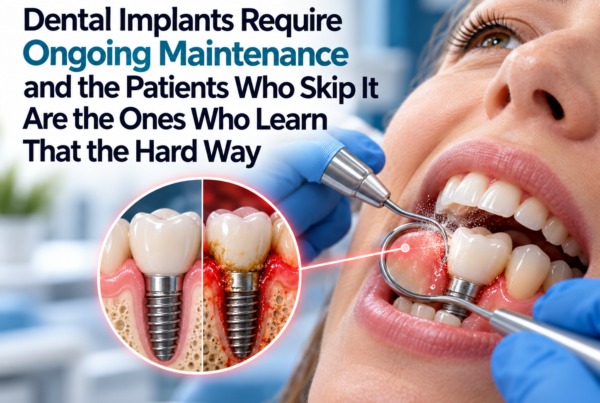
Dental implants are titanium posts placed in your jaw that support a natural-looking replacement tooth. They’re the only option that stimulates the bone like a real tooth root, which helps prevent the shrinking that follows tooth loss.
are removed look and function much like natural teeth, and well-maintained implants can last decades. They do require enough healthy bone and a short healing period.
Dental bridges
A dental bridge fills a gap by anchoring a replacement tooth to the teeth on either side. Bridges work well when the neighboring teeth are healthy, and you want a fixed, non-surgical option.
Bridges cost less upfront than implants and take less time. They don’t stop bone loss in the gap, though, and they rely on the support of adjacent teeth.
Dentures
Dentures replace several missing teeth or a full arch and are removed for cleaning. Modern dentures fit better than older versions and suit patients who want a more affordable or non-surgical path.
The tradeoff is that dentures rest on the gums rather than stimulating bone. You can compare these choices side by side on our site.
Who Is a Good Candidate for Each Option?
You’re typically a good candidate for missing tooth replacement if your gums are healthy or can be treated, and the best option depends on your bone, budget, and timeline. A quick exam sorts out which path fits.
You may be a strong fit for each option if you have:
- Implants: healthy gums, enough jawbone or a willingness to consider grafting, and a preference for a long-term fix
- Bridges: strong, healthy teeth on both sides of the gap and a desire to avoid surgery
- Dentures: several missing teeth or a full arch, plus a focus on affordability and flexibility
Some situations call for treatment first. Active gum disease, untreated decay, or heavy grinding usually need attention before any replacement.
Dr. Krauss reviews your health, bone, and goals before recommending anything. If alignment plays a role, Invisalign or Simpli5 clear aligners may come into the plan before restorative work.
How Much Does Missing Tooth Replacement Cost in Bakersfield?
The cost of missing tooth replacement in Bakersfield depends on the option you choose, how many teeth you’re replacing, and whether you need preparatory care. Dentures cost less upfront, bridges sit in the middle, and implants are a larger investment that often lasts longest.
Because every mouth differs, an accurate quote comes only after an exam. Inventing a flat price would do you a disservice when your situation is unique.
Replacing a tooth early often costs less than waiting. Delays can lead to bone loss or shifting that requires extra procedures, which raises the total.
Cost shouldn’t keep you from a healthier smile. Bakersfield Smile Design offers financing and payment options, and your free consultation includes a clear, itemized estimate with no hidden fees.
How Does Dr. Krauss Approach Missing Tooth Replacement?
Dr. Krauss approaches missing tooth replacement by matching the solution to your mouth, not by pushing one option for everyone. More than 20 years of experience and nearly 2,000 full-mouth restorations shape how he plans each case.
That depth matters when a gap affects your bite, your bone, and your nearby teeth all at once. He looks at the whole picture, then explains your options in plain language.
The practice uses advanced techniques to support precise, comfortable care. Laser dentistry helps treat gum tissue gently, while Invisalign and Simpli5 clear aligners straighten teeth when alignment is part of a wider plan.
You’re treated like a neighbor, not a case number. If dental visits make you nervous, the team moves at a pace that feels right and walks you through each step before it happens.
How to Tell If You’re Ready to Replace a Missing Tooth
You’re likely ready to replace a missing tooth if the gap is affecting your bite, your confidence, or your daily comfort. The clearest way to know is a professional exam, but a few signs point toward it.
Ask yourself these questions before booking:
- Have you lost a tooth recently and want to prevent bone loss early?
- Are nearby teeth starting to tilt or shift toward the gap?
- Do you avoid certain foods because chewing feels off?
- Has the missing tooth changed how you speak or smile?
- Do you want a long-term solution rather than living with the gap?
If you answered yes to a few of these, a consultation is a smart next step. You’ll get honest input on whether an implant, bridge or denture fits you best.
There’s no pressure to decide on the spot. The visit is about understanding your options and the tradeoffs of each.
Helpful Answers Before You Decide
How soon after losing a tooth should I replace it?
Replacing a tooth within a few months of losing it is ideal, since that’s when bone loss and shifting begin. Acting early often keeps treatment simpler and less expensive. An exam confirms the best timing for your situation.
Is replacing a missing tooth really necessary?
Replacing a missing tooth is strongly recommended because the gap affects bone, nearby teeth, and your bite over time. Even one untreated gap can lead to drifting teeth and a higher risk of decay. Replacement protects the teeth you still have.
Which lasts longer, an implant or a bridge?
Dental implants generally last longer than bridges, often decades with good care, while bridges commonly last 10 to 15 years. Implants also protect the jawbone, which bridges don’t. The right choice still depends on your health and goals.
Can I replace a missing tooth if it’s been gone for years?
Yes, you can replace a tooth that’s been missing for years, though you may need bone grafting first. Long-term gaps often lead to bone loss that affects implant placement. A scan and exam show exactly what your case requires.
Conclusion
Missing tooth replacement is one of the most protective decisions you can make for your oral health, and acting early gives you the simplest, most affordable path. A gap left untreated invites bone loss, shifting teeth, and added strain, while a timely replacement keeps your smile and bite stable for years.
The smartest first move is a conversation with an experienced dentist who can assess your mouth and lay out honest options. Dr. Kenneth Krauss and the team at Bakersfield Smile Design bring more than 20 years of experience and a warm, family-practice approach to every visit.
Ready to protect your smile? Schedule your free consultation at Bakersfield Smile Design, 1919 G St., Bakersfield, CA 93301, or call (661) 323-8585. Explore your options today at https://bakersfieldsmiledesign.com/procedures/.