
Dental implants are often the option patients compare first when they want a tooth replacement that feels as close to natural teeth as possible. If you are weighing dental implants against dentures in Bakersfield, you are probably asking practical questions about comfort, appearance, cost, and what daily life will actually feel like after treatment.
The short answer is that dental implants usually feel more natural because they are secured in the jawbone, while dentures rest on top of the gums. That said, the better choice depends on your oral health, budget, timeline, and comfort level with treatment.
At Bakersfield Smile Design, Dr. Kenneth Krauss helps patients sort through these decisions in a clear, low-pressure way. With more than 20 years of experience and nearly 2,000 full-mouth smile restorations completed, he focuses on helping you understand your options and choose what fits your life.
What makes dental implants feel more natural?
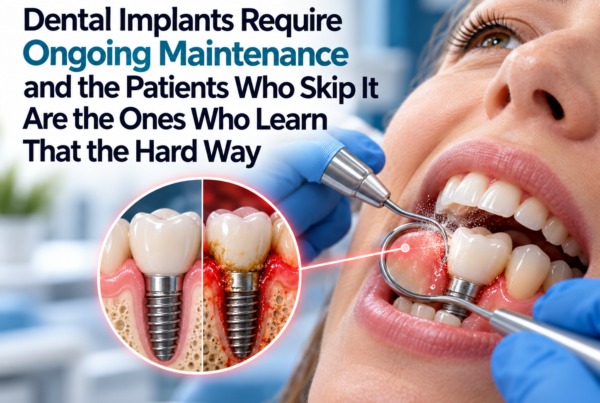
Dental implants feel more natural because they function more like real tooth roots. A small titanium post is placed in the jawbone, where it heals and bonds with the bone over time. That bond gives the replacement tooth a stable base.
Once healing is complete, the implant supports a custom crown that is shaped and shaded to blend with your smile. Because the implant is fixed in place, it does not move when you talk or eat.
That difference matters in daily life. Many patients say dental implants feel less like a dental appliance and more like getting part of their normal routine back.
If you want to learn more about how the treatment works, visit our dental implants page.
How are dentures different from dental implants?
Dentures are different because they replace teeth from above the gumline, not from within the jawbone. Traditional dentures are removable and sit on the gums, using suction, fit, and sometimes adhesive to stay in place.
This makes dentures a valid option for many patients, especially if they want a non-surgical treatment or need to replace many teeth at once. Dentures can also be made to look attractive and natural.
The tradeoff is stability. Because dentures are not anchored the same way as dental implants, they may shift slightly, especially while eating or speaking, and they usually require more adjustment over time.
Which option is more comfortable day to day?
Dental implants are usually more comfortable day to day because they stay fixed in place. You do not need to remove them at night, use adhesive, or worry as much about slipping during meals or conversations.
That stability can make a big difference if you want your replacement teeth to feel simple and predictable. Brushing and flossing also feel more familiar because you care for dental implants much like natural teeth.
Dentures can still be comfortable, but there is often a more of an adjustment period. Some patients notice sore spots, extra saliva, or mild movement at first, especially with a new set.
Comfort also depends on fit. A well-made denture can work well, but the fit can change as your gums and jawbone change over time.
Which option lets you eat more normally?
Dental implants usually allow you to eat more normally because they restore more bite stability. Most patients feel more confident chewing foods with texture, such as apples, meat, or raw vegetables, once treatment is complete.
That does not mean dentures cannot help you eat better than you could with missing teeth. They absolutely can. But dentures often require more caution with sticky, hard, or crunchy foods.
If you have been avoiding certain foods because of missing teeth, that is an important factor to discuss during your consultation. The right treatment should support both your smile and your quality of life.
Which one looks more like real teeth?
Dental implants usually look more like real teeth over the long term because they emerge from the gumline in a way that closely mimics a natural tooth. The crown is custom-made to match the shape, size, and color of your surrounding teeth.
Dentures can also look very good, especially when they are designed carefully for your face and smile. Modern dentures are far more natural-looking than many people expect.
The difference often shows up over time. Because dental implants help support the jawbone, they can better preserve the natural shape of your smile and facial profile. Dentures do not provide that same bone stimulation.
How do dental implants and dentures affect your jawbone?
Dental implants help preserve your jawbone because they stimulate the bone when you chew. That matters because the jawbone naturally starts to shrink after tooth loss.
This is one of the biggest long-term advantages of dental implants. By helping maintain bone volume, implants support facial structure and can reduce the sunken look that sometimes develops after teeth have been missing for years.
Dentures do not stimulate the jawbone in the same way. Over time, that can lead to changes in fit, which is one reason dentures often need relining or replacement.
Who is a better candidate for dental implants?
Dental implants are often best for patients who want a long-term solution and have enough healthy bone to support treatment. Healthy gums, good overall oral health, and a commitment to home care also help.
You may still be a candidate even if you have some bone loss. In some cases, additional treatment such as bone grafting can help prepare the area.
Dentures may be a better fit if you want to avoid surgery, need a lower upfront cost, or have health factors that make implant treatment less ideal right now. This is where an in-person exam matters, because the best choice is not the same for everyone.
What should you expect if you are nervous about treatment?
You should expect a conversation first, not pressure. Many patients comparing dental implants and dentures are also dealing with dental anxiety, and that is completely normal.
At Bakersfield Smile Design, the process starts with listening. Dr. Krauss and the team walk you through your options, explain each step clearly, and help you understand what treatment would involve before you commit.
For patients considering dental implants, comfort is a common concern. While implant treatment does involve a procedure, most patients describe it as more manageable than they expected, especially when they know what is coming and have a recovery plan.
The practice also offers advanced treatment options, including laser dentistry, Invisalign, and Simpli5, which reflects a broader commitment to precise, modern care. Just as important, the office keeps a family-practice atmosphere that helps many patients feel more at ease.
How does the cost compare between dental implants and dentures?
Dentures usually cost less upfront, while dental implants often provide more long-term value. That is the most honest way to compare the financial side.
If your main concern is immediate affordability, dentures may seem easier to start with. If your focus is long-term stability, fewer replacements, and a more natural feel, dental implants may be worth the higher initial investment.
There is no one-size-fits-all answer here. The right comparison depends on how many teeth are being replaced, whether any preparatory treatment is needed, and what kind of result matters most to you.
This is one reason a consultation is so useful. You can get a personalized estimate and talk through the trade-offs instead of guessing based on general numbers online.
Why do Bakersfield patients compare these options with Dr. Krauss?
Bakersfield patients compare these options with Dr. Krauss because they want clear guidance from a dentist with deep restorative and cosmetic experience. Dr. Kenneth Krauss has spent more than two decades helping patients rebuild function, comfort, and confidence.
That experience matters when the choice is not just about replacing teeth, but about choosing the right approach for your health and goals. Nearly 2,000 full-mouth smile restorations also means the practice has helped many patients through complex decisions, not just simple cases.
Just as important, the office does not take a one-note approach. Some patients are strong candidates for dental implants. Others may be better served by dentures or a phased treatment plan. A low-pressure conversation helps you understand which path makes sense for you.
Frequently Asked Questions About Dental Implants and Dentures
Are dental implants better than dentures?
Dental implants are often better than dentures if your top priorities are stability, natural feel, and long-term jawbone support. Dentures may still be the better choice if you want a non-surgical option or need a lower upfront investment.
Do dentures ever feel natural?
Yes, dentures can feel natural for many patients after an adjustment period. The fit, design, and condition of the denture all play a big role in how comfortable and secure they feel.
How long do dental implants last?
Dental implants can last for many years, and often much longer, with good home care and regular dental visits. The crown attached to the implant may eventually need maintenance or replacement, but the implant itself is designed to be a long-term solution.
Are dental implants painful?
Dental implants are not usually as painful as many patients fear. Most people experience some soreness during recovery, but the procedure itself is planned carefully, and your dentist will explain how comfort is managed at every step.
Can I switch from dentures to dental implants later?
Yes, many patients switch from dentures to dental implants later. Whether that is possible depends on your bone levels, gum health, and overall treatment goals, which is why an exam is the best place to start.
What is the best choice if you want the most natural feel?
The best choice if you want the most natural feel is usually dental implants. They are fixed, stable, and designed to work more like natural teeth than removable dentures.
Still, the right decision depends on more than feeling alone. Your health, budget, timeline, and comfort with treatment all matter, and an honest consultation can help you sort through each factor clearly.
If you are comparing dental implants and want guidance that is clear, local, and personalized, schedule a free smile consultation with Dr. Kenneth Krauss at Bakersfield Smile Design.