Bone grafting makes dental implants possible for many patients who were once told they did not have enough bone to qualify. If a dentist turned you away because your jaw could not support an implant, that answer may no longer hold true.
Bone loss is one of the most common reasons people get disqualified for implants. It is also one of the most fixable.
For Bakersfield patients who gave up on implants years ago, a graft can reopen a door they thought was closed. Knowing how the process works helps you decide if it is worth another look.
What Is Bone Grafting and Why Does It Matter for Implants?
Bone grafting is a procedure that adds or rebuilds bone in your jaw so it can support a dental implant. The graft acts as a scaffold, and your body grows new bone around and through it over time.
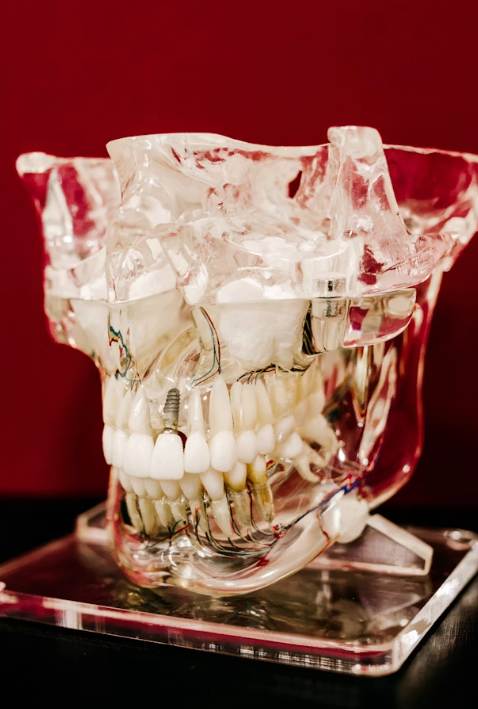
A dental implant is a small titanium post placed into the jawbone to replace a missing tooth root. That post needs a solid base of bone to lock into place.
When the jaw is too thin or too short, the implant has nothing to anchor to. Grafting fixes that foundation first, then the implant goes in once the bone is strong enough.
Think of it like reinforcing the ground before setting a fence post. Without a firm base, nothing holds.
Why Does Missing Bone Disqualify Implant Candidates?
Missing bone disqualifies implant candidates because a titanium post needs enough healthy jawbone to hold it securely for years. Without that support, the implant can loosen, shift or fail.
Your jaw starts shrinking soon after you lose a tooth. The bone that once held the root no longer gets stimulated by chewing, so it slowly resorbs.
The longer a tooth stays missing, the more bone disappears. A gap left untreated for years often leaves too little bone to place an implant safely.
Other causes shrink the jaw too. Gum disease, injury and long-term denture wear all wear bone down over time.
How Do You Know if You Have Bone Loss?
You often cannot feel bone loss, so a dentist confirms it with an exam and a 3D scan of your jaw. The scan shows exactly how much bone height and width you have where an implant would go.
Some signs hint at it. A sunken look around the mouth, loose teeth or dentures that stop fitting can all point to shrinking bone.
How Does Bone Grafting Make Dental Implants Possible Again?
Bone grafting makes dental implants possible again by rebuilding the height and width your jaw lost, giving a future implant something solid to anchor into. Once the graft heals and new bone forms, many previously disqualified patients become eligible.
The graft material is placed in the area that needs more bone. Over several months, your body replaces much of that material with your own new bone.
When the site is strong enough, your dentist places the implant into the rebuilt area. This turns a “no” into a “not yet,” then eventually a “yes.”
That timeline is the tradeoff. Grafting adds months to the overall process, but it makes a permanent, natural-feeling tooth replacement achievable.
What Are the Different Types of Bone Grafts?
There are four main types of bone grafts, and they differ mainly by where the bone material comes from. Your dentist picks the option that fits your case, your health and your comfort level.
- Autograft: bone taken from your own body, often another spot in your mouth or jaw. It integrates well because it is fully your own tissue.
- Allograft: bone from a screened human donor, processed and made safe for transplant. This avoids a second surgical site on your body.
- Xenograft: bone sourced from an animal, usually bovine, that is treated to be safe and act as a scaffold. Your body slowly replaces it with your own bone.
- Alloplast: a synthetic, lab-made graft material that supports new bone growth without any donor tissue.
There is also a sinus lift, a specific graft that adds bone to the upper jaw near the sinuses. It is common when back upper teeth have been missing for a long time.
Each option has honest tradeoffs. Autografts use your own bone but need a second site, while donor and synthetic grafts skip that step and still work reliably for most patients.
How Long Does Bone Grafting Take to Heal?
Most bone grafts take three to six months to heal before an implant can be placed, though the exact time depends on the graft size and your body. Small grafts heal faster, while larger rebuilds and sinus lifts often need longer.
Healing happens in stages. The graft first stabilizes, then your body gradually converts it into strong, living bone that can hold an implant.
What Is Recovery Like After the Procedure?
Recovery after a bone graft is usually mild, with most patients managing any soreness using over-the-counter pain relievers. Swelling and tenderness for a few days are normal and fade quickly.
Stick to soft foods for a short time and avoid disturbing the site with hard chewing. Your Bakersfield dentist will give you simple aftercare steps to protect the graft while it settles.
Can You Get an Implant the Same Day as a Graft?
In some cases a smaller graft and an implant can be placed during the same visit, but larger grafts need to heal first. Your dentist decides based on how much bone must be rebuilt.
Minor grafting done right in the socket after an extraction sometimes allows a faster combined approach. Bigger reconstructions almost always require a separate healing period.
How Much Does Bone Grafting Cost?
Bone grafting cost depends on the graft type, the size of the area and whether you need a sinus lift, so a small socket graft costs far less than a full jaw rebuild. Your dentist gives you a written estimate after reviewing your scan.
Dental insurance sometimes helps when the graft is tied to a medically necessary reason. Coverage varies widely, so it is worth checking your specific plan.
The honest tradeoff is upfront cost versus long-term value. Grafting adds to the total price of getting an implant, but it makes a lasting replacement possible instead of a shorter-term fix.
Ask your Bakersfield dental office to break down the graft and implant costs separately. Seeing both numbers helps you plan realistically.
Who Qualifies for Bone Grafting?
Most people missing enough jawbone for an implant qualify for bone grafting, as long as they are in reasonably good health. Age alone rarely rules anyone out.
Good candidates have healthy gums, or gum issues that can be treated first, and enough remaining bone to build on. Even severe loss can often be rebuilt in stages.
Some factors slow healing and need managing first. Uncontrolled diabetes, heavy smoking and certain medications can affect how well a graft takes.
A consultation and 3D scan settle it. That single exam tells your dentist whether grafting can restore your eligibility for an implant.
How Do You Decide if Bone Grafting Is Right for You?
Start with one question: were you told you lack the bone for an implant, and do you still want a permanent tooth replacement? If yes, grafting is worth exploring.
Use these points to guide your next step:
- Consider bone grafting if a dentist previously disqualified you for an implant because of insufficient jawbone.
- Factor in the timeline, since grafting adds several months of healing before the implant is placed.
- Weigh the full cost, including both the graft and the implant, against longer-term options like bridges or dentures.
- Be honest about health factors such as smoking or diabetes, because managing them first improves how the graft heals.
- Ask about combining procedures, since minor grafts can sometimes go in the same day as an extraction or implant.
- Book a 3D scan so your dentist can measure your bone and confirm whether grafting can make an implant possible.
A short consultation replaces guesswork with a clear answer. That single visit tells you exactly where your jaw stands.
Helpful Answers Before You Decide
Does a bone graft hurt?
A bone graft does not hurt during the procedure because your dentist numbs the area first. Most patients feel only mild soreness afterward, which over-the-counter pain relievers handle for a few days.
How successful are dental bone grafts?
Dental bone grafts have a high success rate for most healthy patients, and complications are uncommon. Following aftercare instructions and avoiding smoking during healing gives the graft the best chance to take.
Can I get an implant if I was told my bone was too thin?
Yes, many patients told their bone was too thin still qualify once a graft rebuilds the area. A 3D scan shows how much bone must be added, and grafting often restores eligibility within several months.
Is bone grafting safe if the bone comes from a donor or animal?
Donor and animal graft materials are carefully screened and processed to be safe before use. Your body gradually replaces this scaffold with your own new bone as the site heals.
The Bottom Line on Rebuilding Your Candidacy
Bone grafting makes dental implants possible for many Bakersfield patients who were once told their jaw could not support one. By rebuilding the bone you lost, a graft turns a past rejection into a realistic path toward a permanent, natural-feeling tooth.
The process asks for patience, since healing takes a few months before the implant goes in. For most people, a lasting replacement is well worth that wait.
If a dentist told you that you did not qualify, that answer may be out of date. Contact our Bakersfield dental office to schedule a consultation and a 3D scan, and find out whether grafting can reopen the door to implants for you.