
Tooth sensitivity that gets worse over time is almost always a sign that something underneath the surface is going unaddressed. A twinge from cold water or a jolt from a bite of ice cream may feel minor at first, but it rarely stays that way on its own.
The discomfort is a symptom, not the actual problem. Something is exposing the sensitive inner layer of your tooth, and until that cause is treated, the sensitivity keeps building.
For Bakersfield patients who have been managing the pain with sensitive-teeth toothpaste and hoping it fades, this is worth understanding. Knowing what drives the worsening helps you fix the source instead of chasing the symptom.
What Is Tooth Sensitivity?
Tooth sensitivity is a sharp, temporary pain that happens when the inner layer of your tooth is exposed to hot, cold, sweet or acidic triggers. It usually feels like a quick jolt rather than a dull, lasting ache.
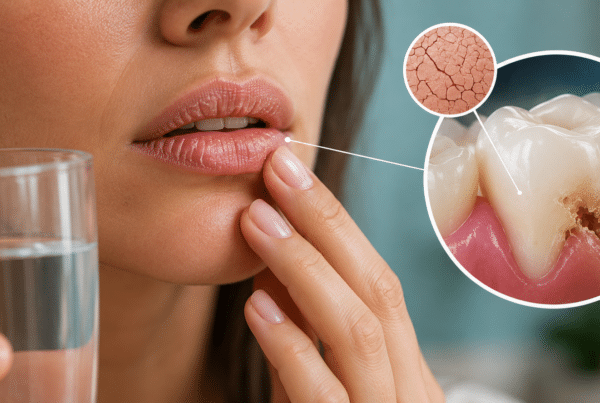
Under your enamel sits a layer called dentin. Dentin contains tiny tubes that lead straight to the nerve inside your tooth.
When enamel wears away or gums pull back, those tubes get exposed. Hot coffee, cold air or a sugary bite then reaches the nerve, and you feel that familiar zing.
Healthy enamel and gums normally protect those tubes. Sensitivity shows up once that protection breaks down somewhere.
Why Does Tooth Sensitivity Get Worse Over Time?
Tooth sensitivity gets worse over time because the underlying cause keeps progressing until you treat it. Whether it is eroding enamel or receding gums, the exposure only grows if nothing stops it.
Think of it like a small leak in a roof. Ignoring it does not make it heal. The water keeps working in, and the damage spreads.
Your teeth face the same steady pressure every day. Acidic foods keep wearing enamel, aggressive brushing keeps pushing gums back and grinding keeps stressing the tooth.
Each of those forces exposes a little more dentin. More exposed dentin means more triggers reach the nerve, so the pain grows sharper and more frequent.
Does Ignoring Sensitivity Lead to Bigger Problems?
Yes, ignoring tooth sensitivity often leads to larger and more expensive dental problems. The same causes that create sensitivity, like decay or a crack, can worsen into infections or fractures that need major repair.
A tooth that twinges today can become one that needs a filling, a crown or a root canal later. Catching the cause early usually means a simpler, lower-cost fix.
What Are the Common Causes of Tooth Sensitivity?
The most common causes of tooth sensitivity are enamel erosion, gum recession, cracked teeth and grinding, and each exposes the sensitive dentin in its own way. Pinpointing which one applies to you is the first step toward real relief.
Here are the main culprits your dentist looks for:
- Enamel erosion from acidic foods, soda, citrus or acid reflux gradually thins the protective outer layer.
- Gum recession from hard brushing or gum disease exposes the tooth root, which has no enamel to shield it.
- Cracked or chipped teeth open a direct path for triggers to reach the nerve.
- Grinding and clenching wear down enamel and can create tiny fractures over time.
- Tooth decay and worn fillings leave gaps where sensitivity sets in.
Sometimes more than one cause is at work. That is why guessing at home rarely solves it for good.
How Does Enamel Erosion Cause Sensitivity?
Enamel erosion causes sensitivity by thinning the hard outer shell that normally shields the dentin underneath. Once that shell wears down, triggers pass straight through to the nerve.
Enamel does not grow back. That is why erosion tends to make sensitivity steadily worse until you change the habits driving it and protect what enamel remains.
Why Does Gum Recession Make Teeth Sensitive?
Gum recession makes teeth sensitive because it exposes the tooth root, which has no protective enamel coating. The root is far more vulnerable to hot, cold and sweet triggers than the crown of the tooth.
Brushing too hard with a stiff brush is a frequent cause. Gum disease is another, and both tend to worsen if the habit or infection continues untreated.
When Should You See a Dentist for Tooth Sensitivity?
You should see a dentist for tooth sensitivity when it lasts more than a few days, keeps getting worse or centers on one specific tooth. Those patterns point to a cause that needs treatment, not just a switch in toothpaste.
Sensitivity that spreads or intensifies is a clear signal. So is pain that lingers after the trigger is gone, which can hint at decay or a nerve issue.
Sharp pain in a single tooth deserves prompt attention. It may mean a crack, a failing filling or decay that will only deepen if left alone.
Do not wait for pain to become constant. Early evaluation usually means a smaller, simpler fix and protects the tooth from more serious damage.
How Does Treatment Address the Root Cause of Tooth Sensitivity?
Treatment for tooth sensitivity works by identifying and fixing the specific cause rather than just numbing the symptom. Your dentist matches the solution to what is actually exposing the dentin.
That targeted approach is what makes the relief last. A generic fix might dull the pain briefly, but the sensitivity returns if the source keeps working.
Depending on the cause, treatment might include one of these:
- Fluoride treatments or bonding agents to strengthen enamel and seal exposed dentin.
- A filling or crown to repair decay, a crack or a worn-down tooth.
- Treatment for gum disease and guidance on gentle brushing to protect receding gums.
- A custom night guard if grinding is wearing your enamel and stressing your teeth.
- A gum graft in cases of significant recession that has exposed the root.
Dr. Krauss starts with a thorough exam to find the true source of your sensitivity, so your treatment targets the cause rather than just masking the discomfort. Ready to say goodbye to sensitive teeth? Contact Bakersfield Smile Design today to schedule your appointment!