Porcelain veneers last 10 to 15 years on average and with careful maintenance many people keep theirs closer to the higher end of that range. That lifespan depends on your daily habits, your bite and how well you protect the thin shell of porcelain bonded to each tooth.
Veneers are one of the most popular ways to fix chips, gaps, stains and uneven teeth. They look natural and resist most stains. They are not indestructible.
Knowing what shortens their life helps you get the most from your investment. Small choices, like using your teeth as a bottle opener or skipping your night guard, add up over time. The good news is that most of the wear is preventable once you know what to watch for.
How Long Do Porcelain Veneers Last on Average?
Porcelain veneers typically last 10 to 15 years, though some hold up 20 years or more with excellent care. The porcelain itself is durable and stain resistant. What usually wears out first is the bond or the natural tooth underneath.
Your dentist bonds each veneer to the front of your tooth using strong dental cement. Over years of chewing, that bond can weaken or a veneer can chip. When that happens, the veneer is replaced rather than repaired.
Composite veneers, which use resin instead of porcelain, last a shorter time, usually 5 to 7 years. They cost less upfront but chip and stain more easily. Porcelain remains the longer-lasting option for most people.
What Can Shorten the Lifespan of Porcelain Veneers?
Several everyday habits shorten the lifespan of porcelain veneers, and grinding is the biggest culprit. Clenching or grinding your teeth, especially at night, puts pressure on the porcelain that it was not built to handle. This can cause cracks, chips or loosening over time.
Poor oral hygiene is another major factor. Veneers do not decay, but the tooth behind them still can. If plaque builds up along the gum line, decay can form under the edge of the veneer and compromise the bond.
Biting hard objects causes sudden damage. Ice, popcorn kernels, pens and fingernails can chip a veneer in one bite. Using your teeth to open packaging is a common way people crack an otherwise healthy veneer.
Do Staining Foods Affect Porcelain Veneers?
Porcelain resists stains far better than natural enamel, but the edges and surrounding teeth can still discolor. Coffee, red wine, tea, dark sauces and tobacco stain the natural teeth around your veneers, which can make them look mismatched over time.
The porcelain itself keeps its color well. The issue is usually the bonding cement at the edges, which can pick up stains after years of exposure. Rinsing after dark drinks and keeping up with cleanings helps a lot.
Can Gum Recession Shorten Veneer Life?
Gum recession can expose the edge of a veneer and shorten its useful life. As gums pull back, the line where the porcelain meets the tooth becomes visible, and the exposed area is more prone to decay.
Gentle brushing and treating gum disease early protect against this. Aggressive scrubbing with a hard-bristled brush wears gums down faster than most people realize.
Who Are Porcelain Veneers Best Suited For?
Porcelain veneers work best for people with healthy teeth and gums who want to improve the look of their smile. Good candidates have stains that whitening cannot fix, chips, small gaps or slightly crooked front teeth.
They are less ideal for people who grind heavily without protection or who have active gum disease or decay. Those issues need treatment first, otherwise the veneers sit on an unstable foundation.
If you have a strong grinding habit, your dentist may still recommend veneers paired with a custom night guard. The guard absorbs the pressure that would otherwise crack the porcelain. Being upfront about your habits helps your dentist plan for the long haul.
How Do You Make Porcelain Veneers Last Longer?
The best way to extend the life of porcelain veneers is to treat them like natural teeth and protect them from unnecessary force. Daily care matters more than anything fancy.
A few habits make the biggest difference:
- Brush twice a day with a soft-bristled toothbrush and non-abrasive toothpaste to protect the polish and the bond.
- Floss daily to keep the gum line clean and prevent decay under the veneer edges.
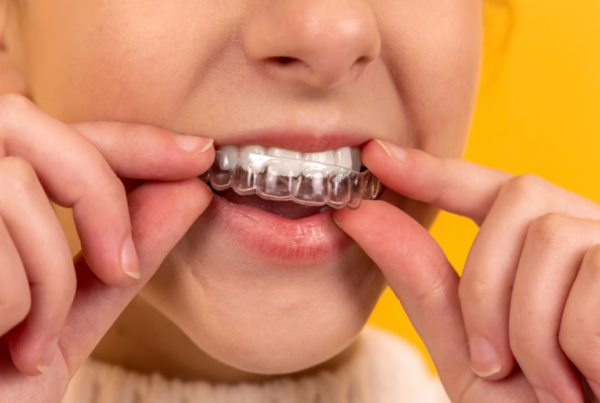
- Wear a custom night guard if you clench or grind, since this single step prevents most cracking.
- Avoid biting hard objects like ice, pens and hard candy that can chip porcelain in one bite.
- Limit staining foods and rinse with water afterward to protect the surrounding teeth.
- See your dentist every six months so small problems get caught before they become big ones.
Whitening toothpaste is often too abrasive and can dull the surface over time. Stick with a gentle formula your dentist approves.
Are Porcelain Veneers Worth the Cost Over Time?
Porcelain veneers are worth the cost for most people who want a lasting, natural-looking improvement rather than a quick fix. A single porcelain veneer often costs more than a composite one, but it lasts roughly twice as long and holds its appearance better.
Spread over 10 to 15 years, the yearly cost is lower than it first appears. You are paying for durability, stain resistance and a result that looks like natural enamel.
The honest tradeoff is that veneers are permanent. A thin layer of enamel is removed to place them, so the tooth will always need some form of covering afterward. That is worth thinking through before you commit.
What Should You Consider Before Getting Porcelain Veneers?
Deciding on veneers comes down to your goals, your habits and the health of your teeth. Use these points to weigh your next step:
- Consider whether your concern is color only, since professional whitening may solve stains at a lower cost and without altering the tooth.
- Think honestly about grinding or clenching, because a night guard should be part of your plan if either applies.
- Factor in the long-term commitment, since enamel removal makes the process permanent.
- Review your budget across the full lifespan, not just the upfront price, to compare porcelain and composite fairly.
- Ask your dentist to show you a preview or mockup so you know what the final look will be before treatment starts.
A consultation is the clearest way to find out if your teeth and gums are ready. Your dentist can flag any decay or gum issues that need attention first.
Helpful Answers Before You Decide
How long do porcelain veneers last with good care?
With consistent care, porcelain veneers commonly last 10 to 15 years, and many reach 20 years. The main factors are avoiding hard foods, wearing a night guard if you grind and keeping up with cleanings.
Do porcelain veneers stain like natural teeth?
Porcelain resists staining much better than natural enamel. The bonding edges and surrounding teeth can still discolor over time, so limiting coffee, wine and tobacco helps keep your smile even.
Can a chipped veneer be repaired?
A small chip can sometimes be polished or patched, but larger damage usually means replacing the veneer. Porcelain cannot be rebonded once it fractures significantly, which is why prevention matters.
Are porcelain veneers reversible?
No, porcelain veneers are not reversible because a thin layer of enamel is removed to place them. Once you get them, your teeth will always need a veneer or crown covering.
The Bottom Line on Porcelain Veneers
Porcelain veneers last 10 to 15 years, and how well you care for them decides whether you land at the shorter or longer end of that range. Protect them from grinding, avoid biting hard objects, keep your hygiene consistent and see your dentist regularly.
The biggest threats to their lifespan are preventable. A night guard, a soft toothbrush and routine checkups protect your investment for years.
If you are thinking about veneers or want to know how long yours might last, schedule a consultation with your dentist. A quick exam tells you whether your teeth are ready and what to expect from your smile.